This experience is designed for laptop.
Please open on a larger screen.
incorrect
A Nightmare by Benjamin Barfoot
© Benjamin Barfoot 2026. All rights reserved.
Someone you love looks you in the eye and tells you you're a person you don't recognise. You sit for hours, days, even years, living in your memories. Building a case no one will ever hear. They have their version. You have yours. Both feel true. Neither can be proved. By the end you can't tell if you're the one being destroyed or the one doing the destroying.
That's where this film comes from.
A damaged young woman heads into the California desert to find a prophet to fix her
Recalling a past relationship in Boston that broke her
Only to find she might not be the person she remembers
Alex
Entering her late-twenties with little to show but anxiety. A wannabe writer with low self-esteem, she's too consumed with her own thoughts to write. The desire for love means more than anything else. But when it comes, her need may be so strong, it could break her and the one she falls for.
It may already have. She just doesn't know it.
Frankie
Early-thirties. Effortlessly in control. She doesn't need to announce authority — it just exists. But for a woman who expects perfection, being her greatest love and being her greatest burden might look exactly the same.
Elias
A Harvard dropout, Tech entrepreneur, who made a billion before he was twenty-five, then left it all behind and disappeared into the desert. Eyes radiating the line between genius and madness, he has returned claiming to have unlocked the secrets of the mind.
Only his techniques feel like you're losing it.
The Inner Retreat is a performance-led film.
Two actresses. One relationship. Played twice. Same lines. Reversed roles. Different truth.
A mirror where you don't recognise your own reflection.
Which version is correct?
The Audience as Unreliable Witness
Memory is weaponised for the audience. Two versions of the film exist. Interpretation of what you've seen and remember becomes truth. Which is real? Only the viewer decides. Re-watching is desired. Discussion and debate is welcomed.
Tone
A bad dream. Paranoia is permanent. Even when intimate. The possibility that all may unravel at any moment. That we can't trust what we are seeing. It reads in the photography, in the sound design, in the music.
Like a dream, all feels real, but something feels off, and may turn into an uncontrollable nightmare at any moment.
Visual Language
The film's photography is naturalistic, anamorphic, weighted compositions. The blocking and performances could be recognisable to an Andrea Arnold film, whilst every frame's darkness feels designed. Dread that's almost beautiful. No matter if a moment is delicate, suspenseful, or nightmare body horror, the film roots itself in this one continuous language.
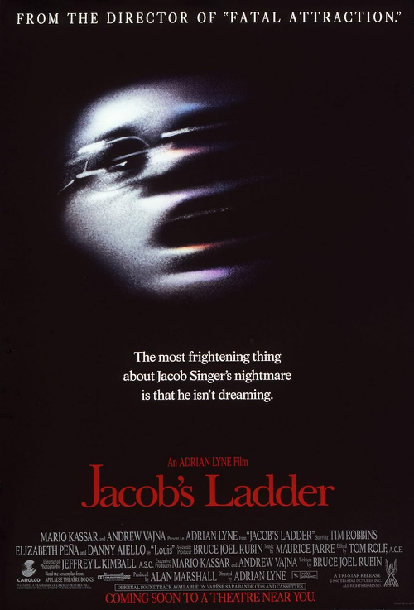
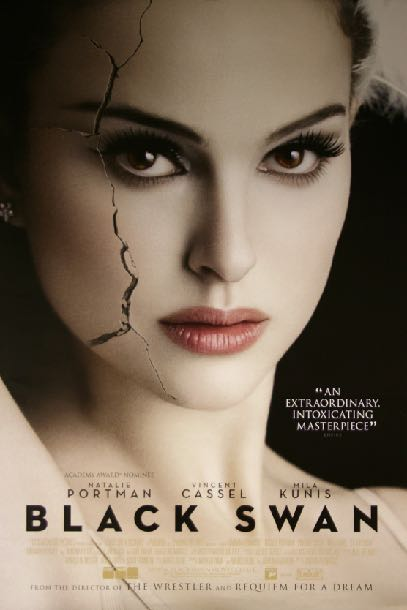
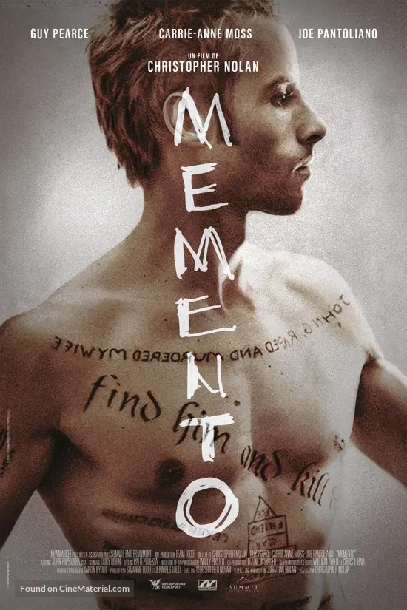
Stylised realism. The raw dread of Friedkin. The precision of Fincher. The fractured subjectivity of Nolan.
Like a dream. Everything feels real. Even when it is not.
From the filmmaker behind Daddy's Head
New York Times — Top 3 Horror films 2024